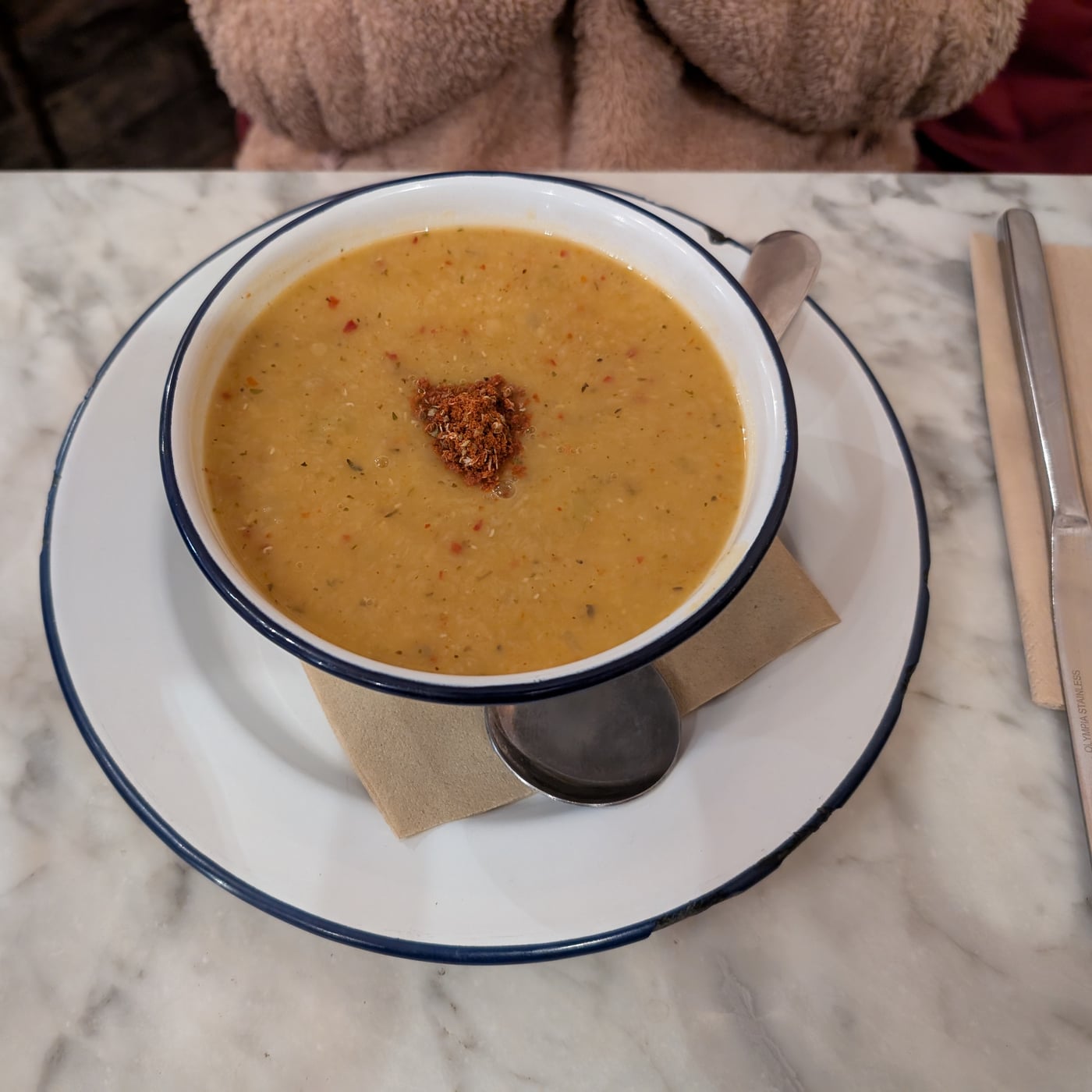
Pul biber ("flake pepper" in Turkish) is made from ripe red peppers that are seeded, sun-dried, coarsely crushed and rubbed with a little oil and salt, which keeps the flakes soft and glossy instead of dusty. The heat is gentle, roughly a third of standard red pepper flakes, with a raisin-like sweetness and a faint tang. Aleppo pepper, from the Halaby pepper of northern Syria, is the same style and the two are interchangeable; Maras pepper is a slightly hotter Turkish version and Urfa biber is the dark, smoky, purplish cousin. It sits on every Turkish table for sprinkling over kebabs, lentil soup, eggs, yogurt dips and salads.
How to buy
Turkish and Middle Eastern grocers sell it in bags for a few dollars; ask for pul biber or Maras biber. In the US, look for Aleppo pepper from Burlap & Barrel, Spicewalla or Penzeys; in the UK, Sainsbury's, Ocado and Steenbergs stock Aleppo or Turkish chili flakes. Good flakes are deep red, slightly moist and clump gently between your fingers; dry, orange, seedy flakes are either old or ordinary crushed chili. Because true Aleppo has been scarce since the Syrian war, most jars labeled Aleppo are Turkish Maras pepper, which is fine.
How to store
Keep it in an airtight jar in a dark, cool cupboard, where it keeps its color and fruitiness for about a year. The oil in the flakes means it can go rancid faster than plain chili, so smell it if it has been open a long time; a stale, waxy odor or a shift from red to brown means it is done. For bulk bags, keep a small jar out and freeze the rest.
Substitutes
- Aleppo pepper, Maras pepper or Urfa biber, 1:1. Urfa is smokier and darker but works well on eggs and meat.
- Sweet paprika mixed with regular red pepper flakes, 3 parts to 1, used 1:1. Close in heat and color; a little less fruity and drier in texture.
- Gochugaru (Korean chili flakes), 1:1. Similar mild heat and sweetness, slightly less tangy.
- Standard red pepper flakes at 1/3 the quantity plus a pinch of sweet paprika. You get the heat but lose the sweetness and the soft texture.
How to use
Treat it as a finishing seasoning as much as a cooking spice: sprinkle 1/2 to 1 teaspoon over fried eggs, hummus, roast vegetables, grilled meat or a bowl of soup just before serving. Bloom 1 teaspoon in 2 tablespoons hot butter or olive oil for 20 seconds and spoon it over yogurt, pasta or lentils; do not let it darken, because it burns quickly. In marinades, use 1 tablespoon per 500 g of chicken or lamb with olive oil, garlic and lemon. Since it is mild, use it generously where ordinary chili flakes would overpower.
By Mia Ko · Updated