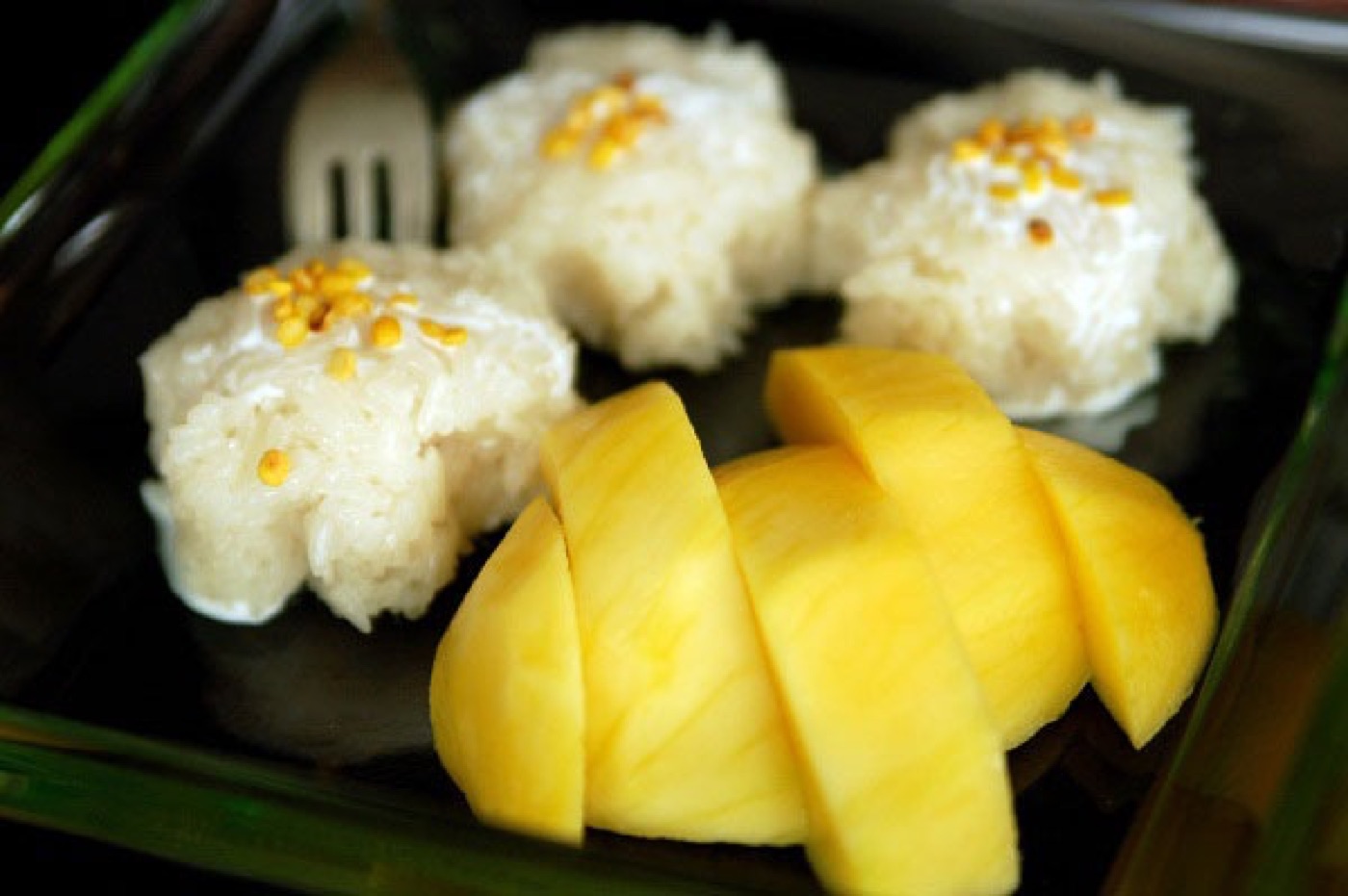
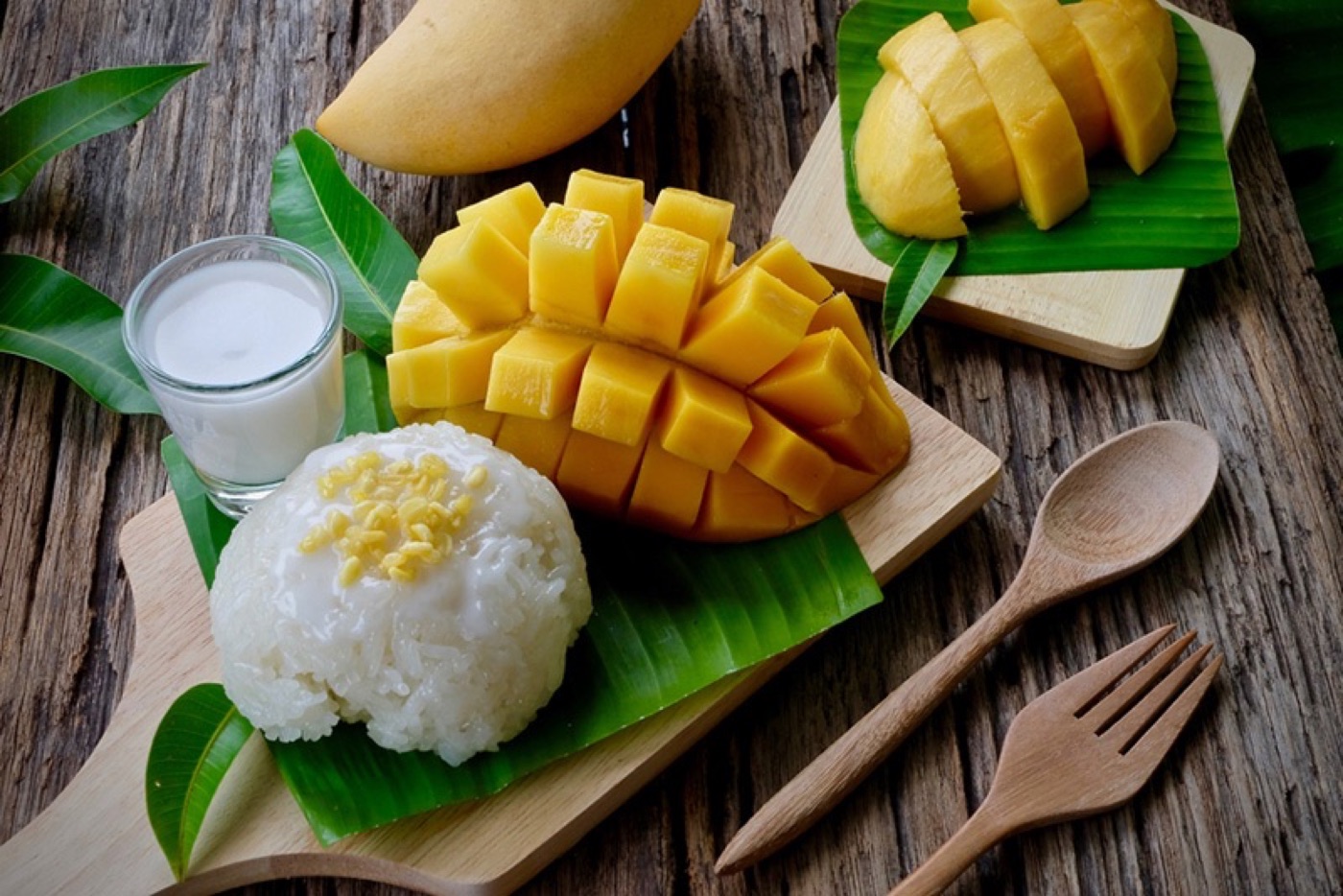
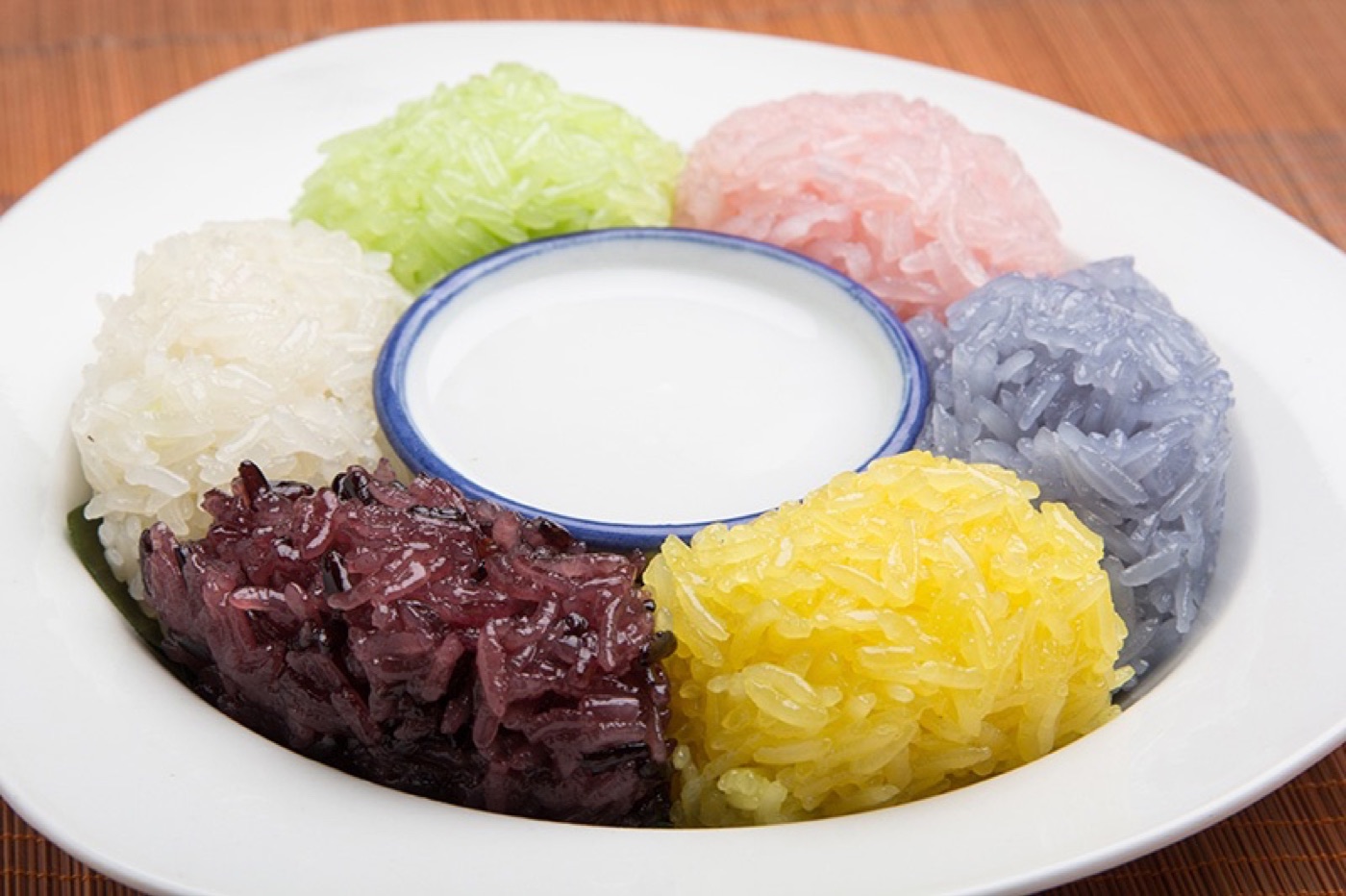
Pandan (Thai bai toey, ใบเตย; Malay and Indonesian daun pandan; Vietnamese lá dứa) is the sword-shaped leaf of a tropical screwpine. Its aroma is hard to pin down: grassy and nutty like freshly cooked jasmine rice, with a sweet vanilla and almond note. Bruised leaves perfume Thai coconut sticky rice, Malaysian nasi lemak and chicken wrapped in pandan; the pressed green juice colors and flavors kaya jam, chiffon cake, kuih and Vietnamese bánh da lợn.
How to buy
Fresh leaves come in bundles at Thai, Vietnamese and Filipino grocers and many H Mart or 99 Ranch stores; look for deep green, unbroken leaves that are not yellowing at the tips. Frozen leaves in the freezer aisle keep almost all of their scent and are the reliable year-round choice. Pandan extract (Koepoe-Koepoe, Butterfly, McCormick in Asia) is a strong green liquid with a slightly artificial edge—a good brand lists pandan first, not just color and flavoring. Pandan powder exists but is faint and turns cakes gray-green rather than bright.
How to store
Fresh leaves last about a week in the fridge, wrapped in a damp paper towel inside a bag; they yellow and go limp before they smell bad. For longer storage, rinse, dry, cut into 3-inch lengths and freeze flat in a zip bag for up to a year. Homemade pandan juice keeps 3 days refrigerated, or freeze it in ice-cube trays. Opened extract lasts a year or more in the pantry away from light; once it smells like little more than sugar syrup, replace it.
Substitutes
- Pandan extract for fresh juice: ½ teaspoon per 2 tablespoons of fresh juice. Convenient and strongly colored, but flatter and slightly artificial in taste.
- Vanilla extract: 1 teaspoon per 4 leaves in cakes and custards. You keep the sweetness but lose the grassy, nutty freshness entirely.
- Matcha + a drop of vanilla: ½ teaspoon matcha per 2 tablespoons pandan juice. Gives the green color and a leafy note, but tastes clearly of tea.
- Bay leaf or a strip of lemongrass: 1 leaf per 2 pandan leaves in savory rice or curry. Aromatic but nothing like pandan; only for scenting rice.
How to use
For rice, coconut milk or custard, tie one or two leaves into a knot, bruise them by running the back of a knife along them, and simmer with the liquid; remove before serving. For color and flavor in cakes, blend 8–10 chopped leaves with ½ cup water, squeeze through a cloth and let the juice sit overnight in the fridge so the dark green sediment settles—use that concentrated layer for the deepest color. Do not boil pandan juice hard; the aroma fades quickly, so add it at the end when possible. With extract, start with a few drops: it is easy to end up with a neon cake that tastes like scented soap.
By Mia Ko · Updated