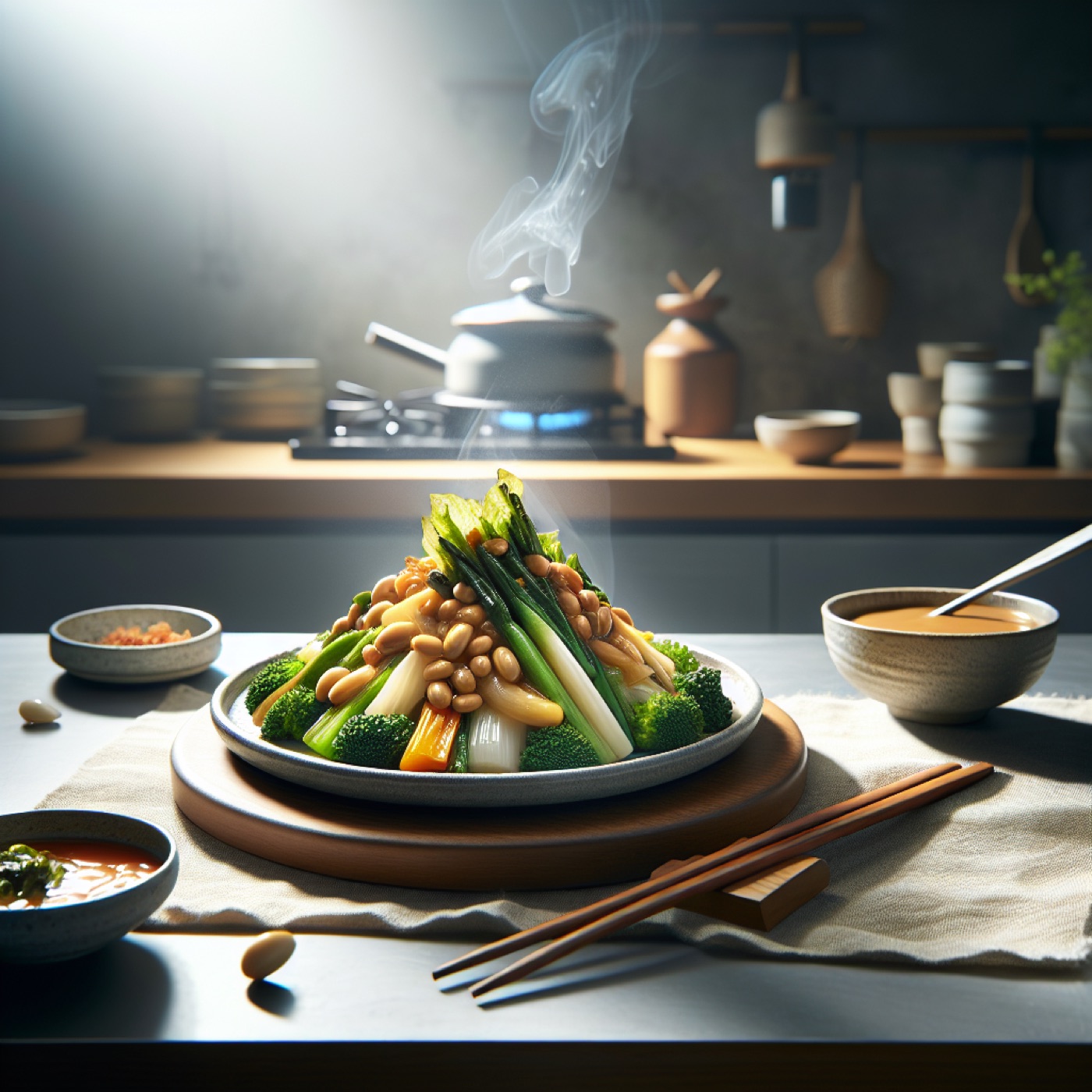
Miso is a paste of soybeans fermented with salt and koji (rice or barley inoculated with mold). It tastes intensely savory and salty with a mellow sweetness that deepens the longer it ages. White miso (shiro) is fermented briefly with lots of rice koji, so it is pale, sweet and mild, the choice for miso soup, dressings and glazed salmon or eggplant. Red miso (aka) ages longer and is darker, saltier and more pungent, better for hearty soups, braises and ramen. Awase is a blend of the two and the everyday all-rounder; if a recipe just says "miso", awase or white is the safe pick.
How to buy
Miso is sold in tubs or pouches in the refrigerated section of most US supermarkets (Whole Foods, Trader Joe's, H Mart, Mitsuwa) and online. Check the ingredient list for soybeans, rice or barley, salt and koji; skip "miso with dashi" or "miso soup base" unless you want the instant version, since these contain added stock and MSG. Hikari, Marukome and Miko are dependable Japanese brands; Miso Master and South River are good US-made options, and organic or unpasteurized tubs have livelier flavor.
How to store
Keep miso in the fridge in its tub with the surface pressed flat and covered with the inner paper or a piece of plastic wrap to limit air contact. It lasts a year or more; the color slowly darkens and the flavor gets stronger, which is normal. White miso changes fastest, so use it within 6–9 months. A little white bloom on the surface is harmless yeast, but fuzzy mold or a sour, alcoholic smell means it is done.
Substitutes
- Soy sauce, about 1/2 tablespoon per tablespoon of miso — gives the salt and umami but none of the body or sweetness.
- Korean doenjang, 1:1 — chunkier and funkier; closest to red miso.
- Tahini plus a splash of soy sauce, 1:1 — mimics the creamy texture and nuttiness of white miso in dressings.
- Vegemite or Marmite, 1/2 teaspoon per tablespoon of miso — very salty and yeasty; only for stews.
How to use
Never boil miso: whisk it into a little hot liquid first, then stir it into soup after the heat is off to keep the aroma and live cultures. Start with about 1 tablespoon per cup of dashi for soup and adjust, since brands vary in saltiness. Beyond soup, mix it with butter for corn or steak, with mirin and sugar for a fish glaze, or a teaspoon into caramel, cookie dough or mashed potatoes for a savory edge.
By Mia Ko · Updated